From ARCO to Greenland Energy: Over 50 years of oil exploration in Greenland

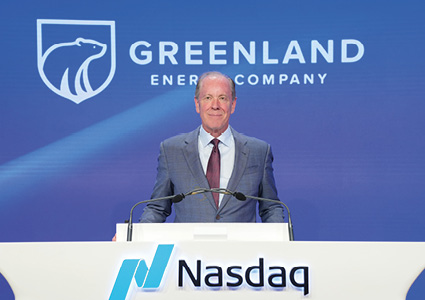
Greenland Energy Company’s plan to drill for oil in Jameson Land, in East Greenland, has been in the news for much of this year. The company’s CEO, Robert Price, has said the basin could hold a trillion dollars’ worth of oil. In July, Greenland’s Ministry of Mineral Resources reprimanded the company’s partner, 80 Mile, after equipment for the project was brought ashore without permission, and Greenland Energy has since said it will not drill this winter.
Oil exploration in Greenland is nothing new, though. Oil companies first took a serious interest in the island in 1969, and since then Chevron, Shell, ExxonMobil, Statoil and Cairn Energy, among others, have held licenses there. Exploration wells were drilled off West Greenland in the 1970s, in 2000 and in 2010 and 2011, and none of them led to a commercial discovery.
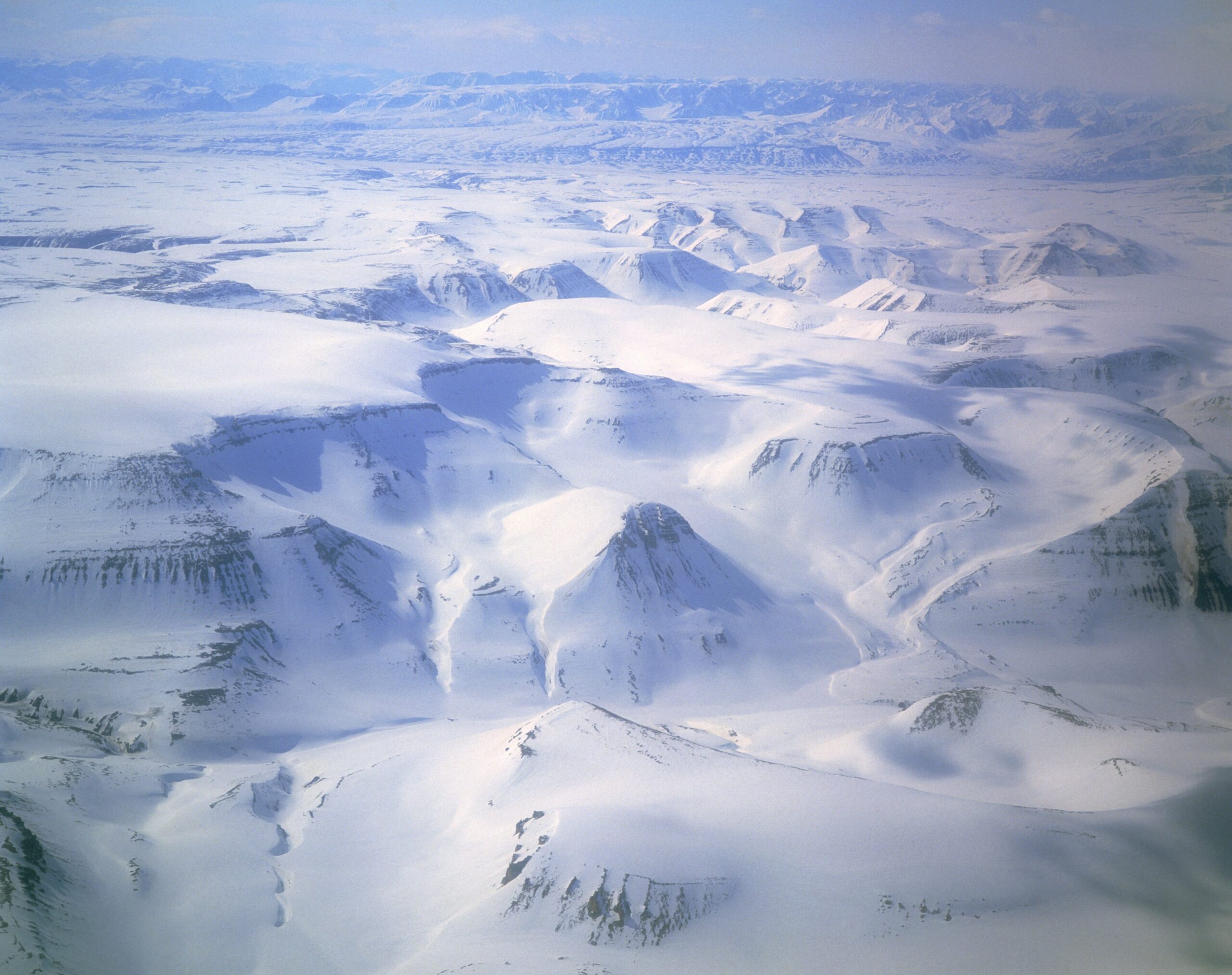
Jameson Land has been explored before, too. A group led by the U.S. company Atlantic Richfield (ARCO) surveyed the basin in the second half of the 1980s, built the airstrip that still serves the area and gave up its concession in 1990 without drilling a well. Arctic Today has compiled a timeline of oil exploration in Greenland.
A timeline of oil exploration in Greenland
1969: Early interest
The discovery of the Prudhoe Bay oil field in Alaska in 1968 led to more exploration across the North American Arctic, and in 1969 oil companies turned their attention to Greenland. Nearly 21,000 kilometers of seismic data were collected off West Greenland between 1969 and 1974.
1971-1972: ARCO and Nordisk Mineselskab
ARCO was the main shareholder in Nordisk Mineselskab, a mining company that held a concession in East Greenland dating back to 1952. The concession included the rights to oil and gas, and in 1971 and 1972 the two companies did preliminary work toward exploring Jameson Land. The work stopped early because Denmark’s Ministry for Greenland did not accept how the cooperation and its financing were set up.
1975: First licenses
In April, Danish authorities awarded exclusive exploration licenses covering 19,082 square kilometers off West Greenland to six groups of companies, led by Amoco, Chevron, ARCO, Mobil, Total and Ultramar. The same year, Greenland’s Provincial Council decided unanimously that the subsoil and its riches belonged to the people living in Greenland. A U.S. Embassy cable sent from Copenhagen to the State Department in May 1975, since declassified, said minerals and other subsoil resources would remain under Danish control.
1976: Kangamiut-1
The French company Total drilled Kangamiut-1, Greenland’s first petroleum exploration well. It hit gas, but the well was never properly tested.
1977: Dry wells
ARCO drilled Hellefisk-1, Chevron drilled Ikermiut-1 and Mobil drilled Nukik-1 and Nukik-2. All five of the wells drilled in the 1970s were declared dry. A paper on the drilling, presented at the Offshore Technology Conference in Houston in 1978, said 82 icebergs had been sighted and tracked within 25 miles of the drilling sites during an 81-day drilling period. Within two years, every license had been handed back, the last of them by a group led by Chevron. The Geological Survey of Denmark and Greenland later concluded that four of the five wells had not been drilled into structures that could ever have trapped oil or gas.
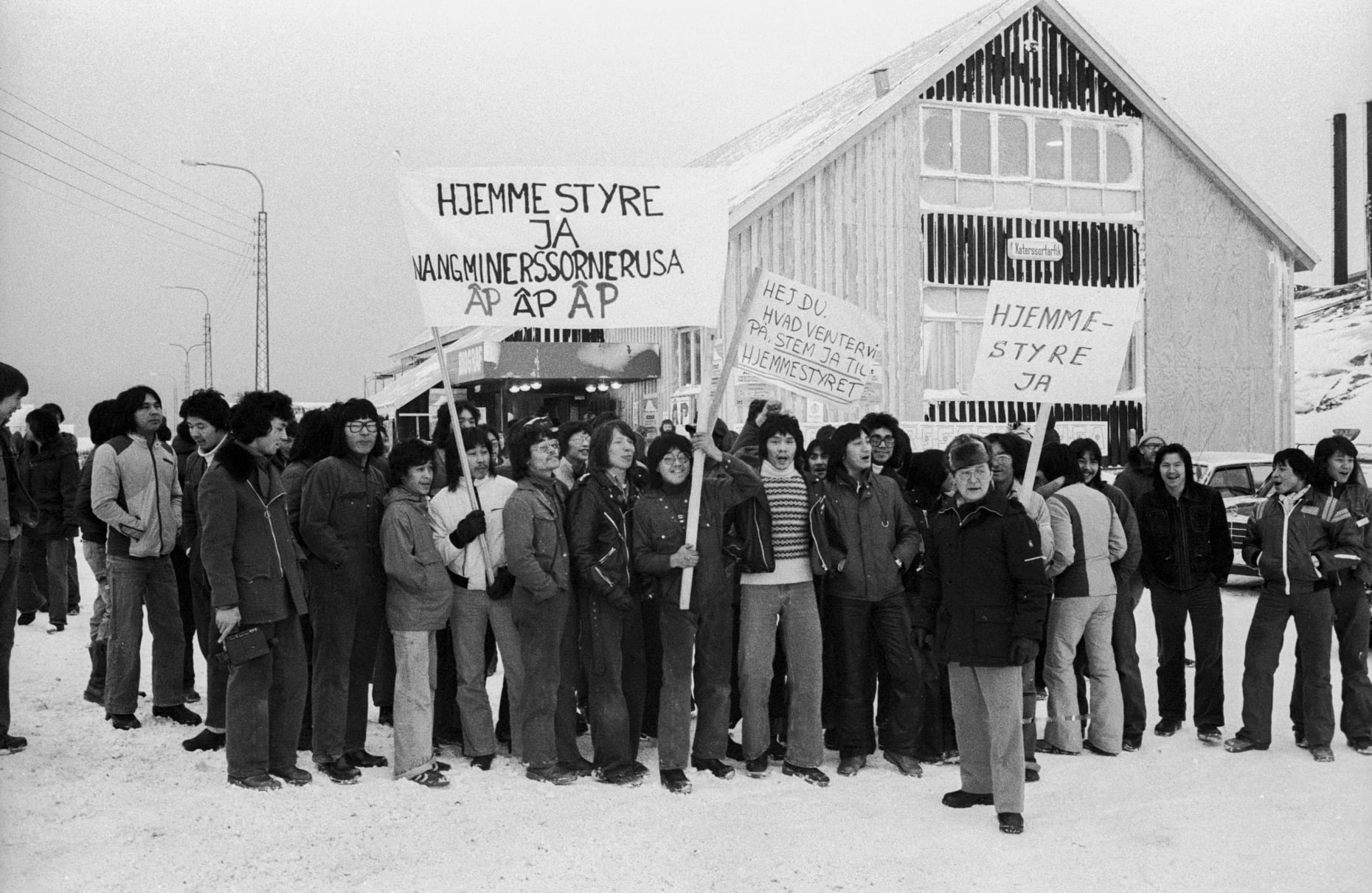
1979: Home rule
Greenland got home rule. Under the new arrangement, Denmark and Greenland shared decision-making power over oil and minerals, and a joint council of Danish and Greenlandic politicians was set up.
1984: Jameson Land concession
A group led by ARCO, later joined by the Italian company AGIP, was awarded an exclusive concession covering roughly 10,000 square kilometers of Jameson Land.
1985: Constable Point
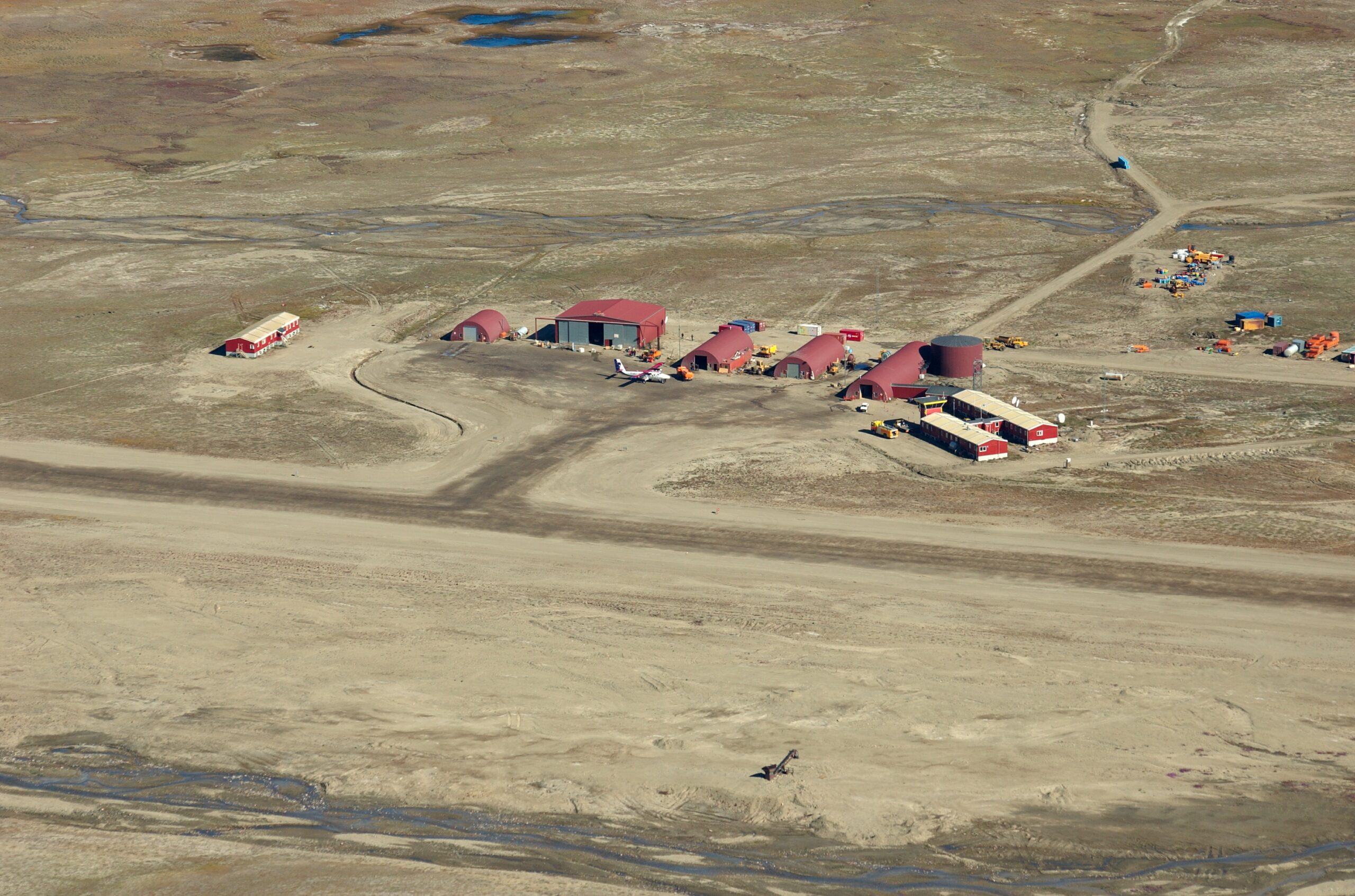
ARCO built an airstrip and supply base at Constable Point to support the exploration. The group collected 1,798 kilometers of seismic data in Jameson Land between 1985 and 1989.
1989: KANUMAS
BP, Exxon, Japan National Oil Company, Shell, Statoil and Texaco received a prospecting license for the KANUMAS project, which paid for seismic surveys off Northeast and northwest Greenland, with Nunaoil as operator. The surveys were carried out between 1991 and 1995 from the Danish Navy ship Thetis, and the companies got preferential rights in future licensing rounds.
1990: ARCO gives up Jameson Land
The Jameson Land concession had been awarded just before oil prices fell sharply in the mid-1980s. In 1990, ARCO announced on behalf of the group that it would relinquish the concession at the end of the year. No wells had been drilled. The airstrip was sold to Greenland and is now Nerlerit Inaat Airport, which has flights to Iceland.
1992: Oil on Nuussuaq
A licensing round for the waters off southern West Greenland received no applications. The same year, a geologist found bitumen in basalt on the Nuussuaq peninsula in West Greenland. In 1993, a slim core well drilled nearby at Marraat found liquid oil in the lava, and the company grønArctic Energy soon applied for a license. The company drilled a 2,996-meter well on Nuussuaq in 1996 and later relinquished its license.
2000: Qulleq-1
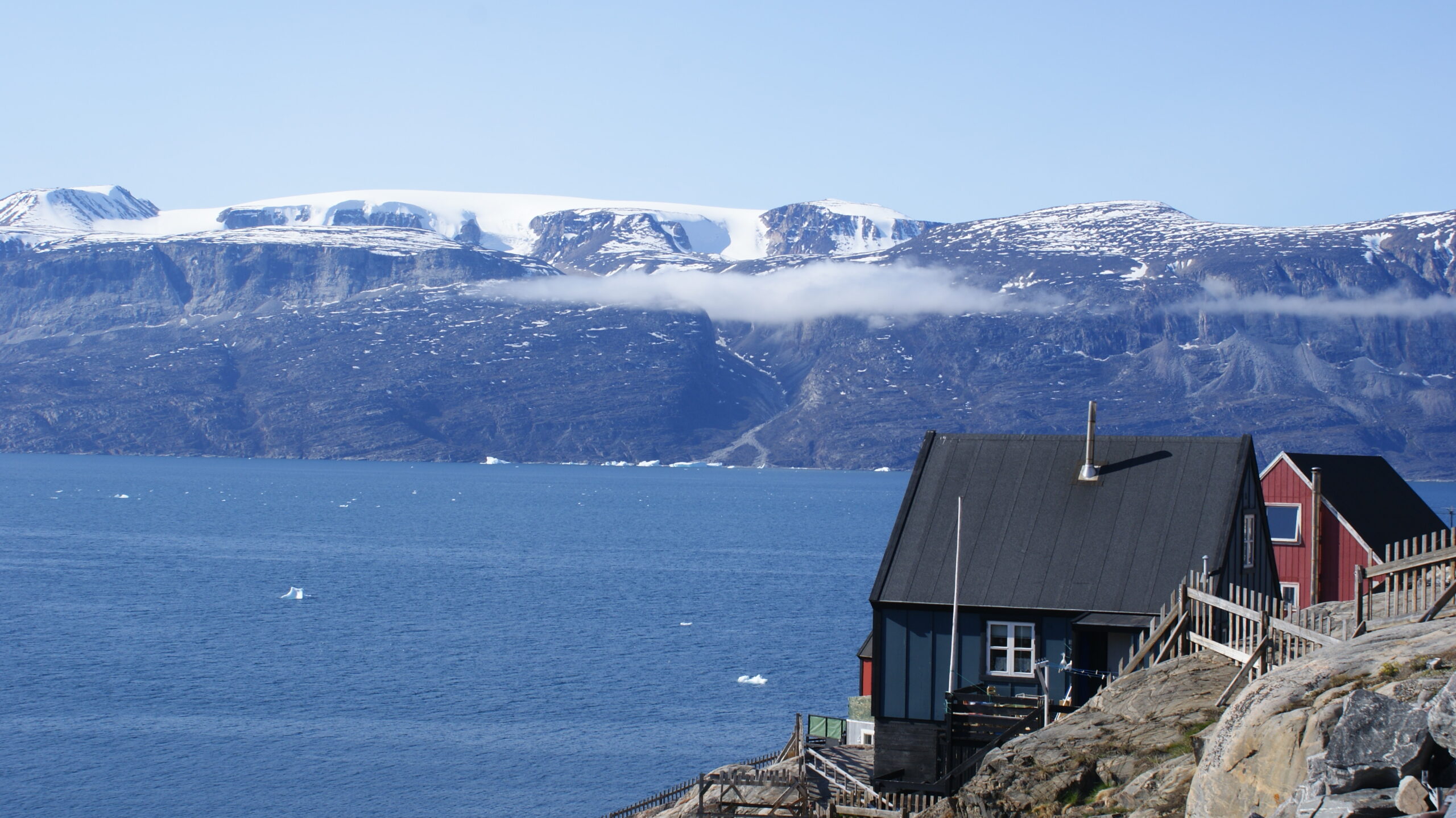
A group led by Statoil, which had been awarded a license off southwest Greenland in 1996, drilled the Qulleq-1 well. It was the first offshore exploration well in Greenland since 1977. The results were disappointing, and the group later handed the license back.
2007-2008: Disko West
Licenses west of Disko Island went to groups that included Chevron, ExxonMobil, Husky, DONG, Cairn and PA Resources. All of the Disko West licenses had been relinquished by 2015.
2009: Self-government
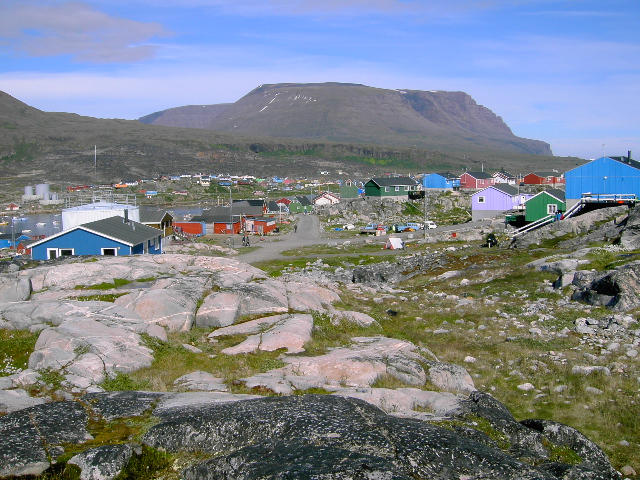
Under the Self-Government Act, Greenland took ownership of its mineral resources, including oil and gas. It has had full legislative and executive power over them since Jan. 1, 2010.
2010: Baffin Bay licenses
A licensing round in Baffin Bay drew 17 applications from 12 companies, and seven licenses were awarded. Shell became operator of two of them. In 2012, a Shell-led group used the scientific drilling ship JOIDES Resolution to drill 11 shallow core holes in the area. Shell’s group later relinquished both licenses without drilling an exploration well.
2010-2011: Cairn Energy
The Scottish company Cairn Energy drilled eight exploration wells off West Greenland, three in 2010 and five in 2011, without making a commercial discovery. Bloomberg reported that the program cost the company $1 billion. Greenpeace activists boarded Cairn’s rigs several times, and in June 2011 Greenpeace International’s executive director, Kumi Naidoo, climbed onto the Leiv Eiriksson rig and was arrested.

2013: Greenland Sea licenses
Licenses off Northeast Greenland were awarded to groups that included Chevron and Shell, which were partners in licenses operated by Chevron, as well as Statoil and ConocoPhillips. All of the groups gave up their licenses in 2018 and 2019 without drilling.
2015: New Jameson Land licenses
After Jameson Land was offered for licensing in 2014, Greenland Gas and Oil was awarded two licenses there in 2015 and a third in 2018. The licenses are now held by White Flame Energy, a subsidiary of London-listed 80 Mile.
2021: No new licenses
Greenland’s government stopped issuing new oil and gas licenses, saying the decision was made for the sake of the country’s nature, fisheries and tourism industry. Existing licenses were not affected, and the three in Jameson Land are now the only oil licenses left in Greenland.
2025-2026: Greenland Energy
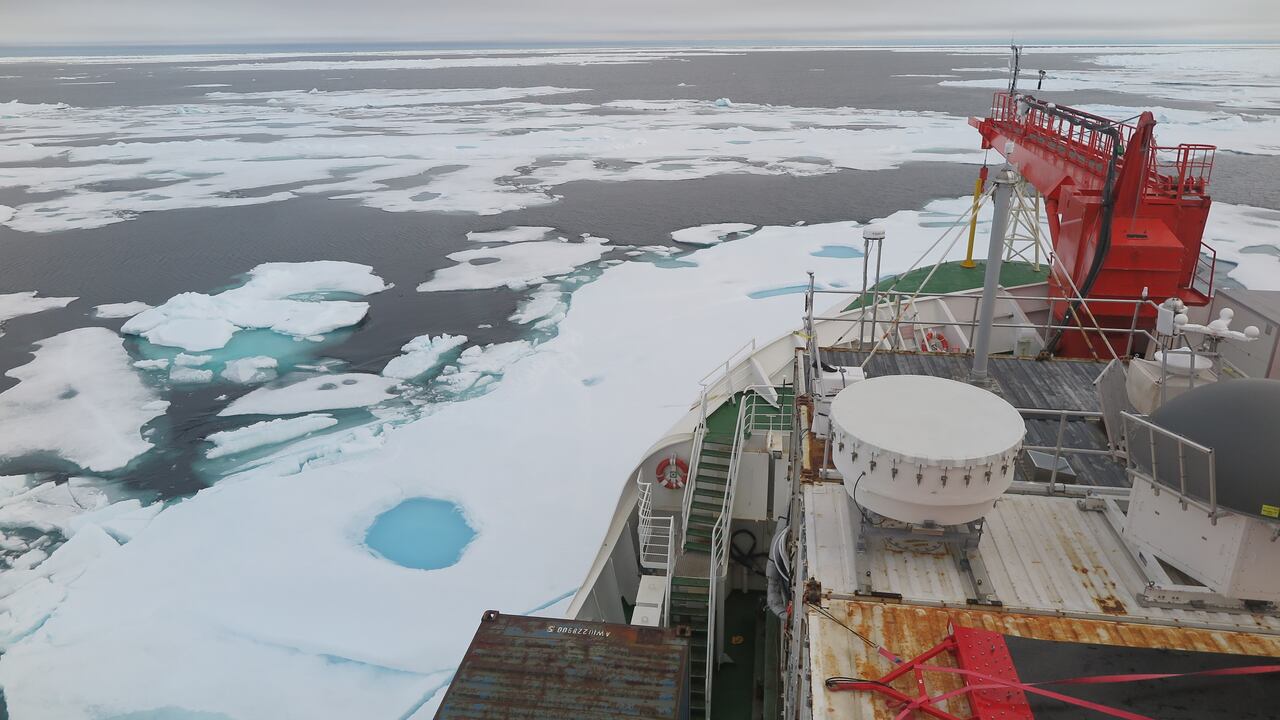
In March 2025, 80 Mile signed a deal with March GL, a U.S. company that later merged with a special purpose acquisition company to form Nasdaq-listed Greenland Energy Company. Greenland Energy planned to drill in 2026, but after equipment for the project was landed at Nerlerit Inaat without permission in July, Greenland’s Ministry of Mineral Resources reprimanded 80 Mile. Greenland Energy has since said it will not drill this winter, and permits are now targeted for winter 2027.