
EU must call US threats to Greenland illegal, brief says
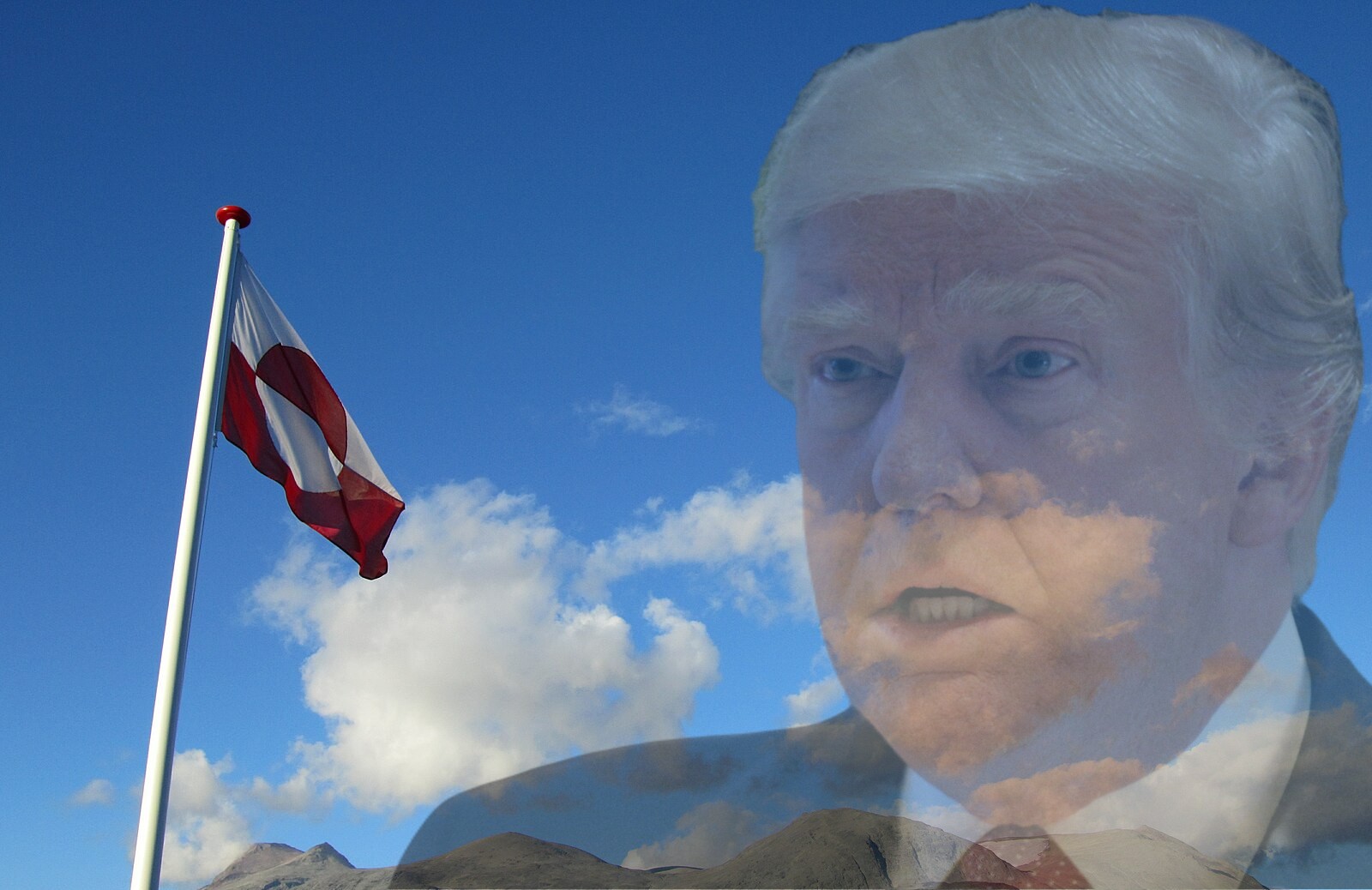
The EU should publicly declare U.S. threats to buy or invade Greenland illegal and answer them with hard investment, according to a new European Policy Centre brief that lands as Brussels prepares a fresh Arctic strategy this autumn.
“The EU must denounce U.S. threats to buy and invade Greenland as illegal,” the brief states. “It must throw socio-economic weight in support of Nuuk.”
President Donald Trump has repeatedly said the U.S. should control Greenland, citing the threat from Russia and China. The EPC authors argue the EU should meet that pressure not with words alone but with investment, casting Greenland as a test of whether the bloc can offer the island a real alternative to Washington.
The argument rests on a simple trade. By pairing respect for Greenlanders with money and technical support, the authors write, the EU can present “a credible alternative to U.S. President Trump’s deals” while cutting its own dependence on China for rare earths, which currently runs at 98 percent.
A first step is already visible. The brief points to an emerging €50 million EU investment in Greenland, involving the Canadian company Greenland Resources, aimed at molybdenum, a metal used in European defence technology. The authors call it proof the EU can punch above its weight with limited resources and a template for something larger.
That larger step, in their telling, is a long-term joint investment fund for Greenland. Funding and technical support for small local administrations, embedded in what the brief calls a people-first culture, would lay the groundwork for stability, the authors argue, casting Greenland as central to Europe’s technological independence and geopolitical footing.
The recommendation sits inside a wider brief, “From sea to space: How the EU can turn the tide on the Arctic,” published on July 30 by Maria Martisiute and Tobias Etzold of the EPC with Linda Solstrand Dahlberg of UiT (The Arctic University of Norway). It argues that the EU’s 2021 Arctic policy, built around a peaceful and sustainable region, has been overtaken by hard security threats.
How far Brussels goes remains to be seen. Greenland is already described as an integral part of the EU’s Arctic policy, and the island is the largest per-capita recipient of EU support among the bloc’s overseas countries and territories. But denouncing a U.S. president’s designs as illegal would be a sharper line than the EU has so far been willing to take.


