
Nuclear icebreaker makes rare midwinter transfer from Arctic to Baltic Sea
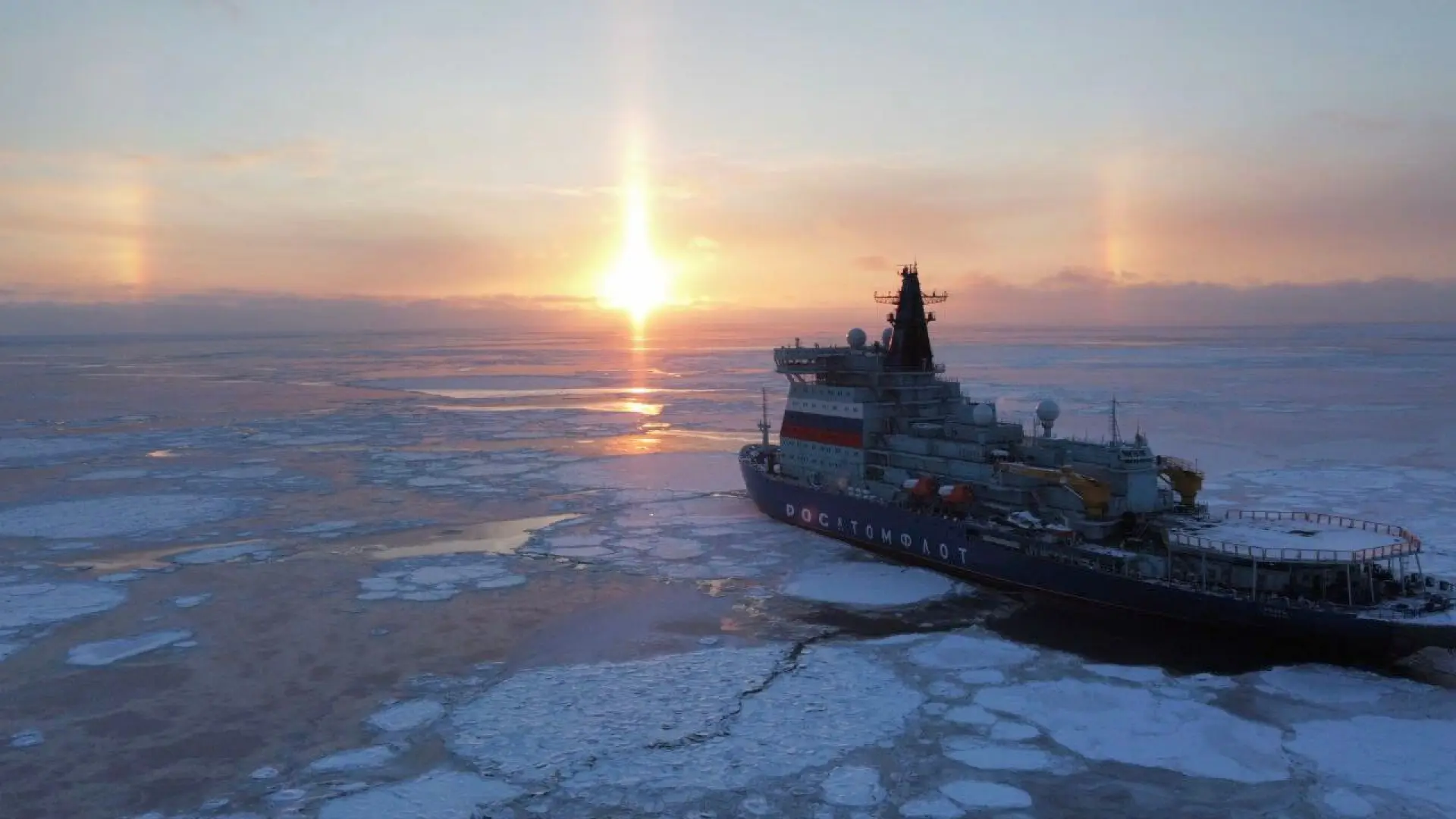
A heavy freeze in the Gulf of Finland forces Russia to move two icebreakers, among them the nuclear-powered Sibir, away from Arctic waters.
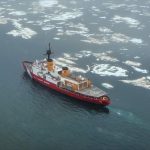
On February 12, the Sibir entered Norwegian waters and subsequently sailed southwards on a course for St. Petersburg. In its wake followed the diesel-engined icebreaker Murmansk. It is freezing cold midwinter and the sea ice lies thick and heavy over Arctic waters. Ships are struggling to reach their destinations along Russia’s northernmost coasts.
Nevertheless, Russia is redirecting a powerful nuclear icebreaker from the Arctic to the Baltic Sea and Gulf of Finland. Only a few days ago, the icebreaker was busy with icebreaking in the Gulf of Ob and Kara Sea. For most of January it was engaged in escorting a convoy of vessels to and from the east Arctic settlement of Pevek. On February 18, the Sibir arrived in St. Petersburg, where it immediately engaged in assisting ice-trapped vessels.
The Sibir escorts ships through icy Baltic waters. Video by Rosatomflot. Abnormally low temperatures have led to the formation of a thick layer of sea ice in the Gulf of Finland. The sea ice is now seriously hampering shipping in the area. A significant share of Russia’s exports and imports go through the Gulf of Finland and Russia is dependent on smooth shipments.
Ship traffic data from February 19 show the Sibir escorting tankers from Primorsk, a strategically important oil port. The powerful vessel is part of Russia’s fleet of Arktika-class icebreakers. It was commissioned in late 2021. Russia has a fleet of eight nuclear-powered icebreakers, all of which are normally at work in Arctic waters. The ships are based at Atomflot in Murmansk and operated by nuclear power company Rosatom.
The Murmansk is also busy escorting ships in Baltic waters. Before being redirected to the Gulf of Finland, the icebreaker assisted ships sailing to and from the Sever Bay oil terminal on the Taymyr Peninsula.